Mapping Australian history and culture
We acknowledge the Traditional Owners of country and pay our respects to Elders past, present and emerging. First Australians...
| Name | Martindale Hall: Mortlock Journey |
|---|---|
| Description | Mapping the 1930 Mortock journey to Java, India & Ceylon via Melbourne & Sydney, as part of the Martindale Hall 'slow digitisation' project. |
| Type | Other |
| Subject | Martindale Hall, Mortlock Family |
| Linkback | |
| Image |
|
| Content Warning | |
| Number of places | 156 |
| Contributor | Heidi Ing |
|---|---|
| Creator | Margaret Allen, Denise Noack |
| Publisher | |
| Contact | Margaret Allen margaret.allen@adelaide.edu.au |
| DOI | |
| Source URL | https://martindalestories.org/themes/imperial-journeys/tour-of-the-east/ |
| License | |
| Allow ANPS? | No |
| Citation | |
| Usage Rights |
| Language | English |
|---|---|
| Latitude From | |
| Longitude From | |
| Latitude To | |
| Longitude To | |
| Date From | 1930-03-02 |
| Date To | 1930-10-26 |
| Date Created (externally) | |
| Added | 2024-04-26 09:22:24 |
| Updated | 2024-12-02 20:55:44 |
JT Mortlock Diary 1930, Tumby Bay National Trust
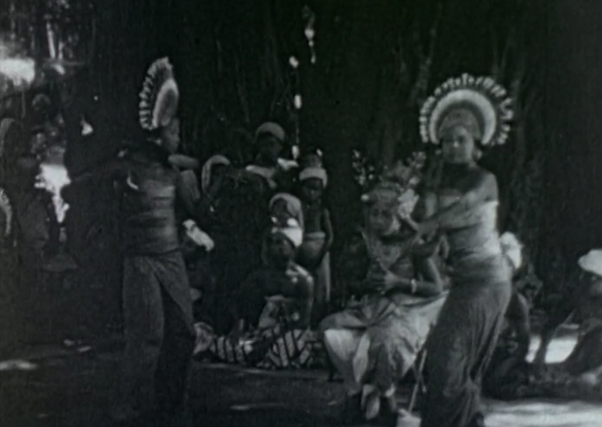
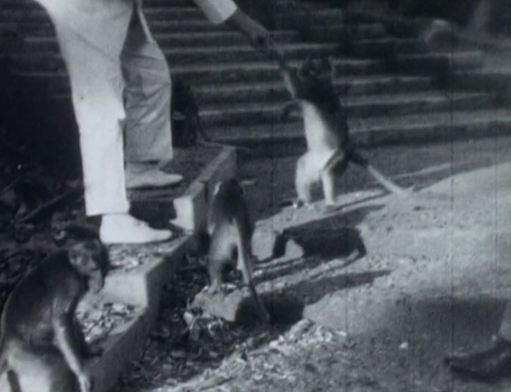
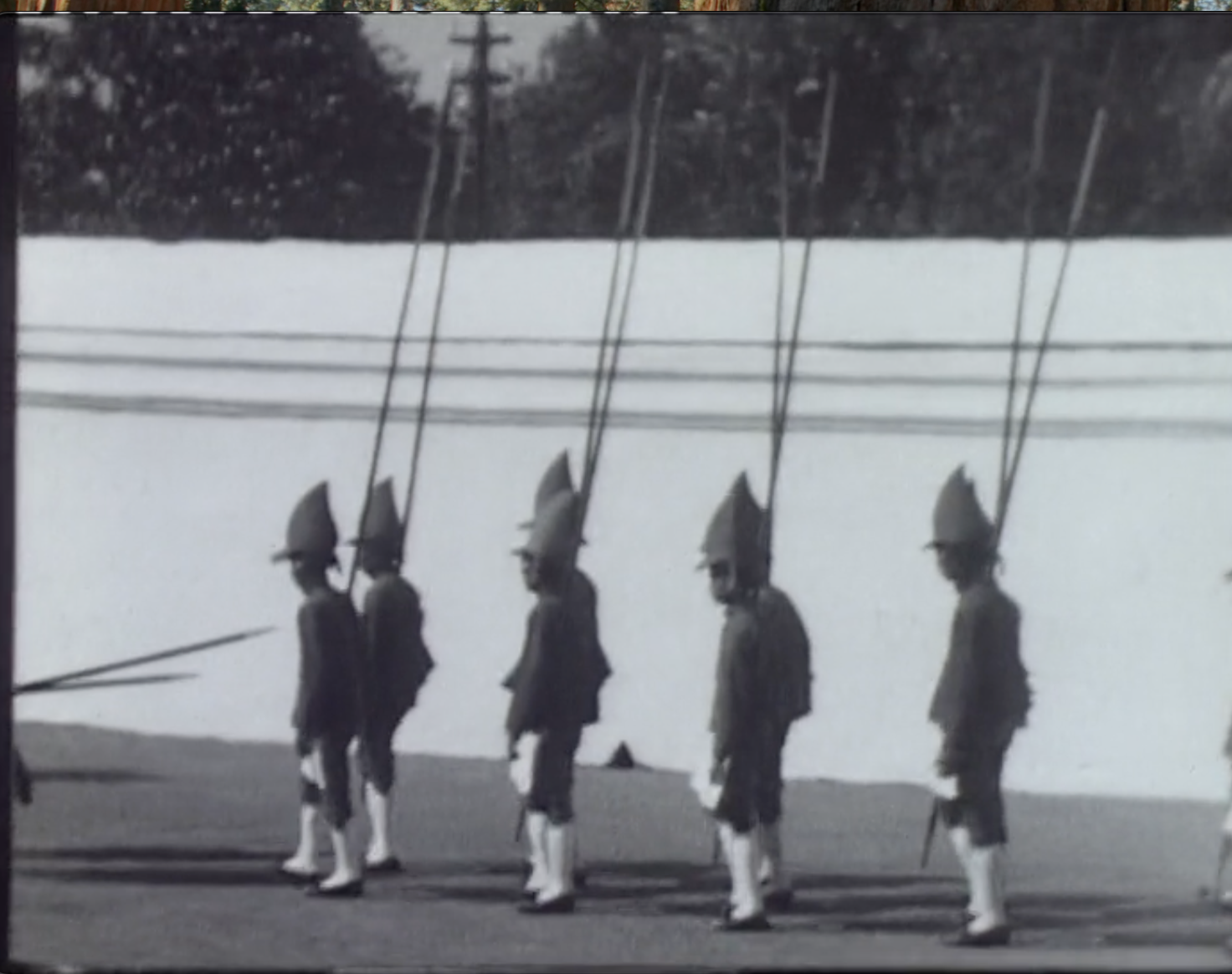
It is not clear when the Mortlock party called into Bali as there is no reference in Jack's diary to this visit. It is likely that their ship stopped there when travelling between Macassar and Surabaya. They filmed at this location and titled this section 'Bali the Isle of Enchantment'. Their film included ponies being bathed, village scenes, Lekong dance, Ardja dance, and cock fighting. This image from the film shows the Ardja dance.
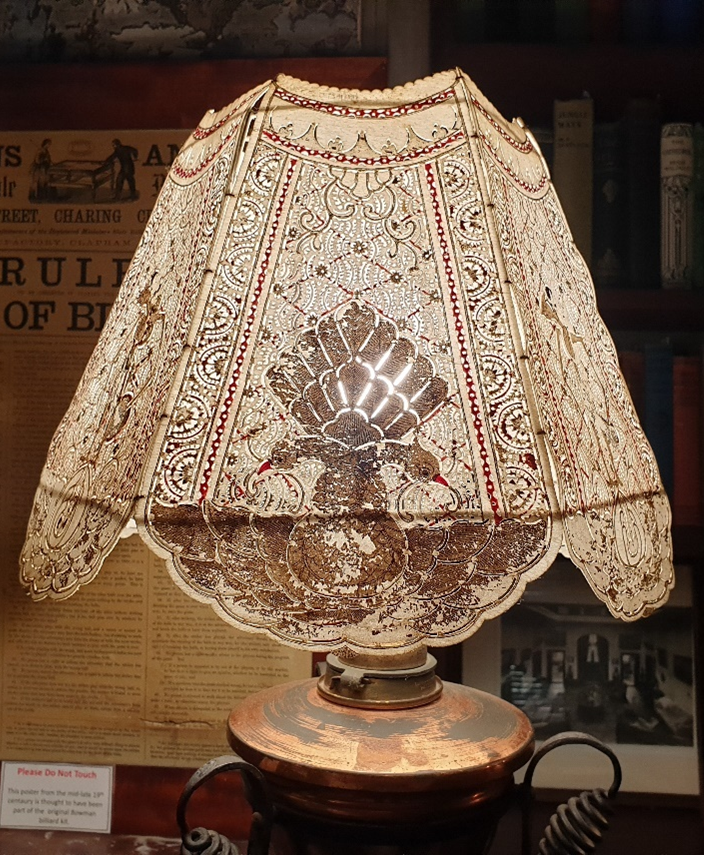
This lampshade is made from buffalo hide and incised with wayang (shadow puppet) figures. The coolurs and the geometric patterns are characteristically found on Javanese batik. These were made in Yogyakarta, the home of specialist craftsmen who made the leather wayang kulit puppets. It is likely that these shades were made for the Dutch colonists in Java.
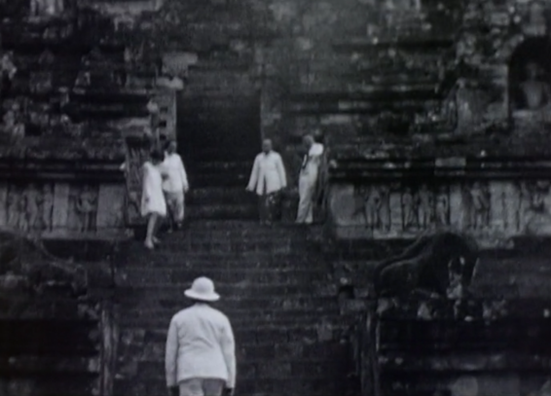
E. E. E. Scarfe at Borobodur, a 9th century Mahayana Buddhist temple which is the largest Buddhist temple in the world.
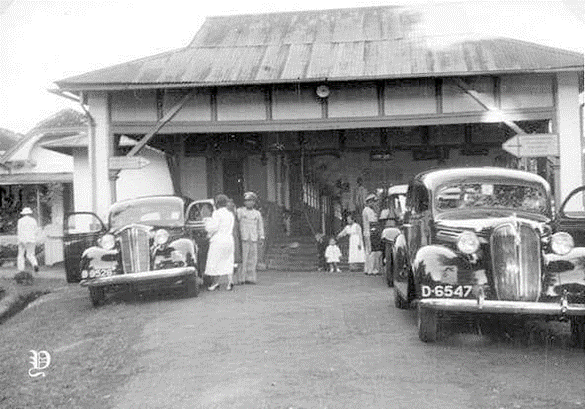
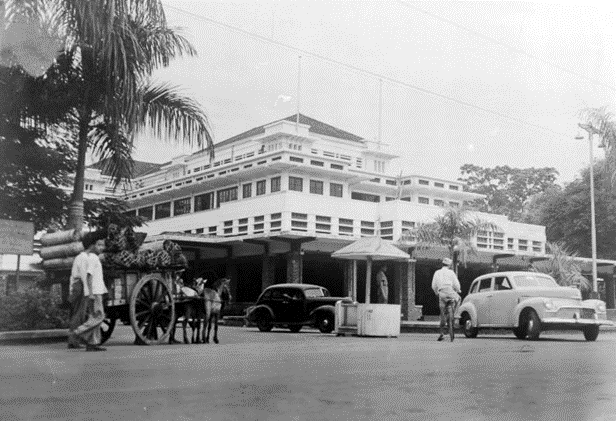
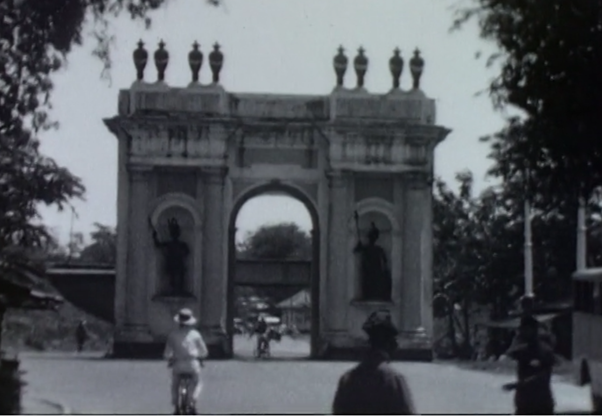
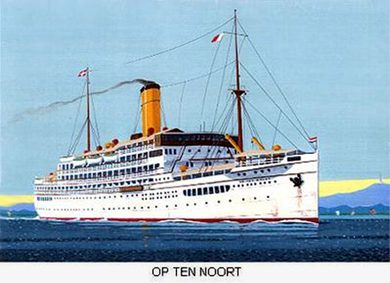
In Singapore they visited the British naval base, which was the cornerstone of British defence in the Far East at the time. They were amazed by the diversity of the population there. Jack Mortlock reported, ‘There is a mixed population …we counted 16 different nationalities …in an hour in the streets.’
Back from the East’, Register News-Pictorial, 29 October 1930, 6
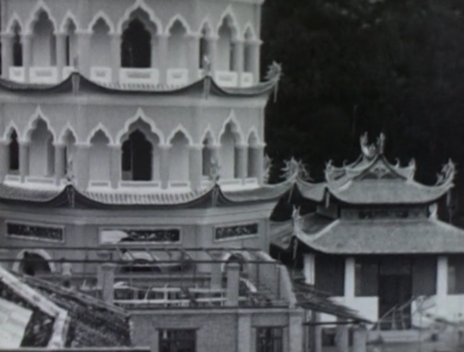
Back from the East’, Register News-Pictorial, 29 October 1930, 6
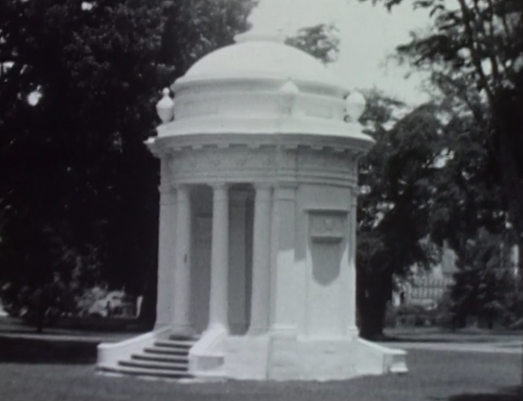
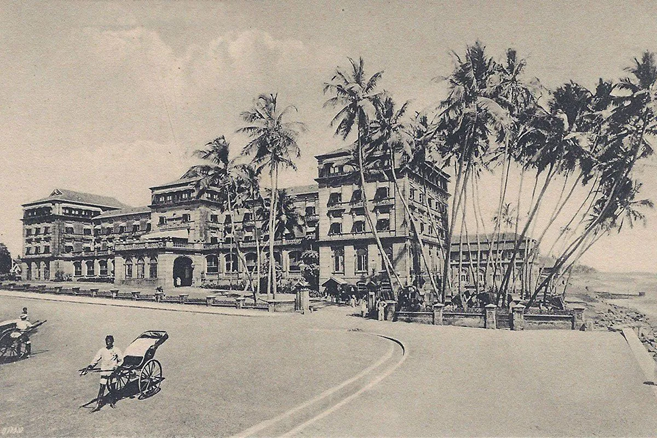
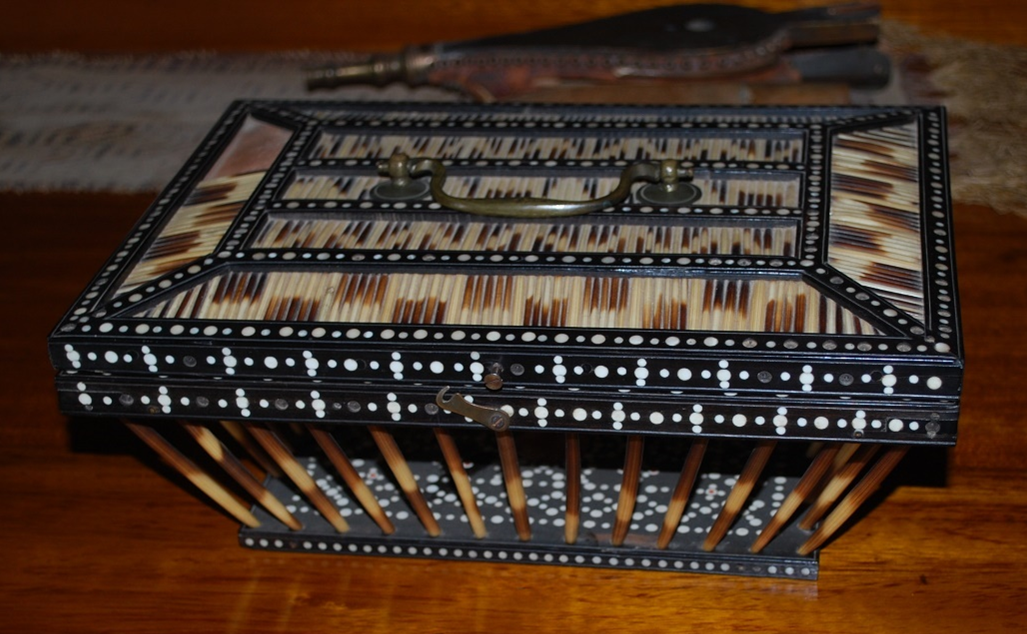
It is most likely that while in Colombo they acquired MH 47. This is an ornamental box made of ebony set with bone and porcupine quills. It is inscribed “MATARA’, a town on the south coast of Sri Lanka, not visited by the Mortlock party.
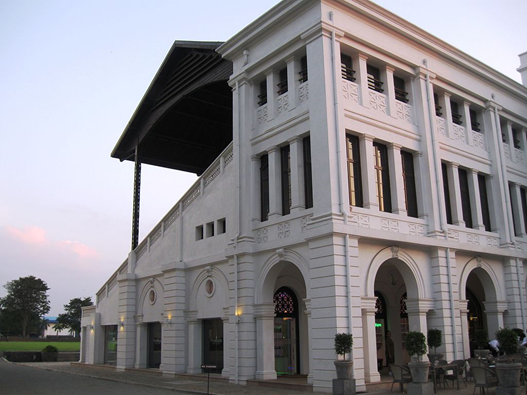
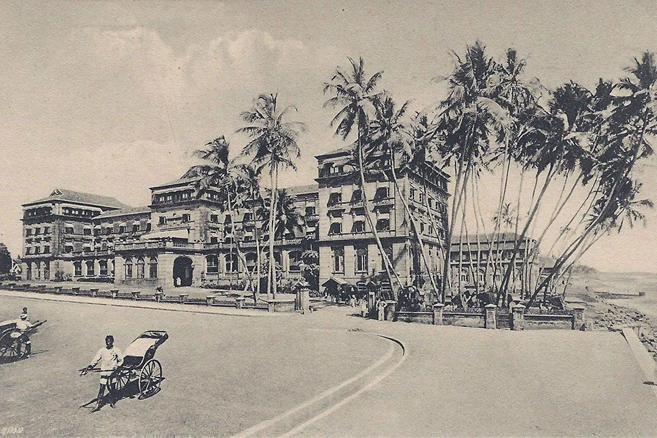
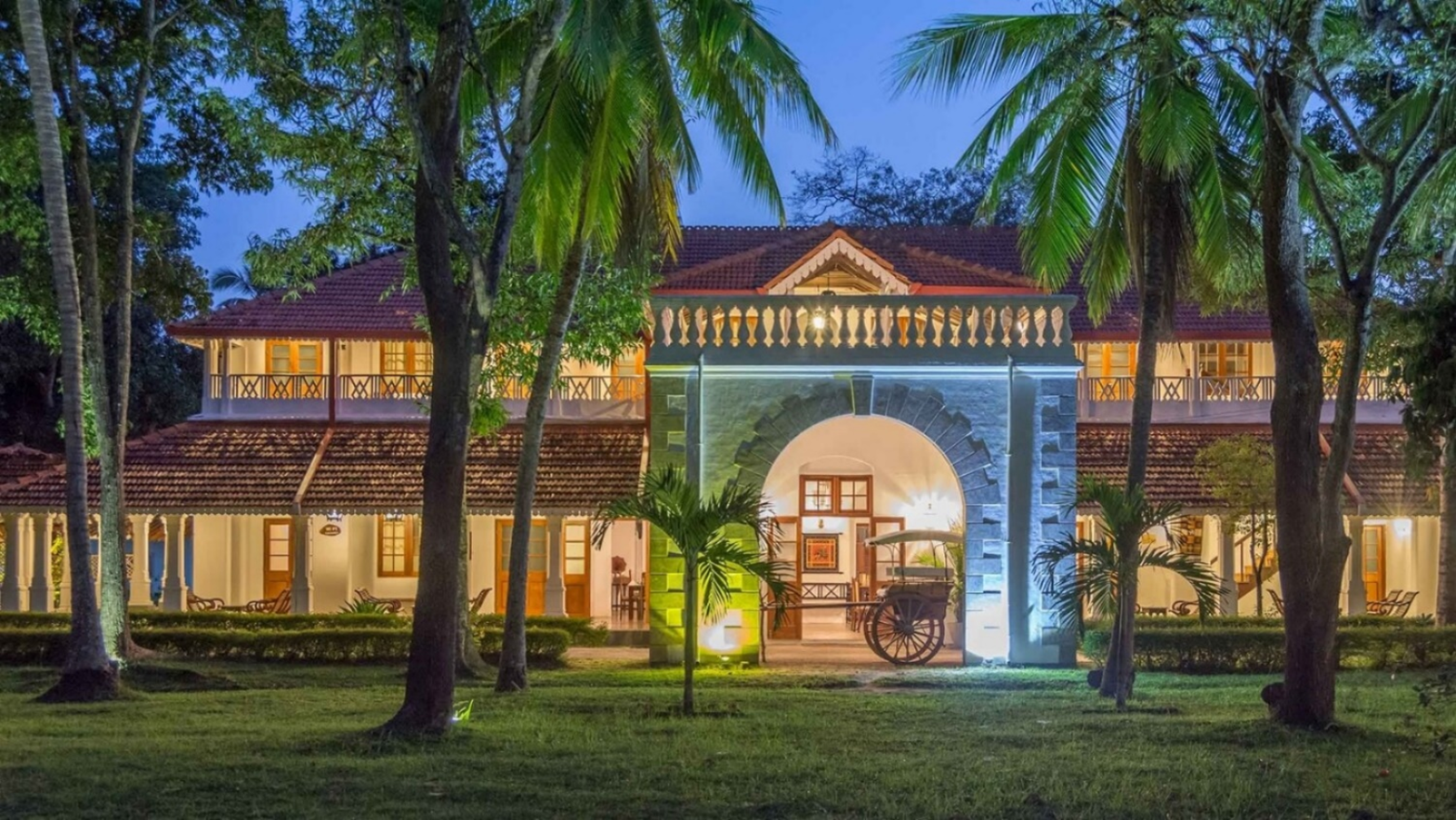
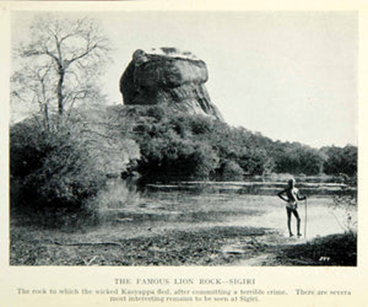
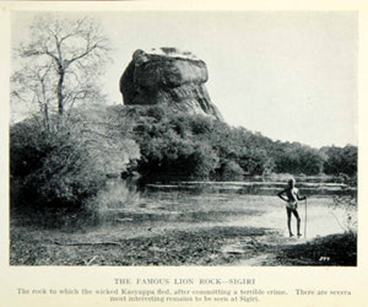
Anuradhapura is the site of ruins of an ancient Sinhalese civilization, stretching over about 100 square kilometres. The imposing Sigiriya rock fortress dates back to c 480 AD.
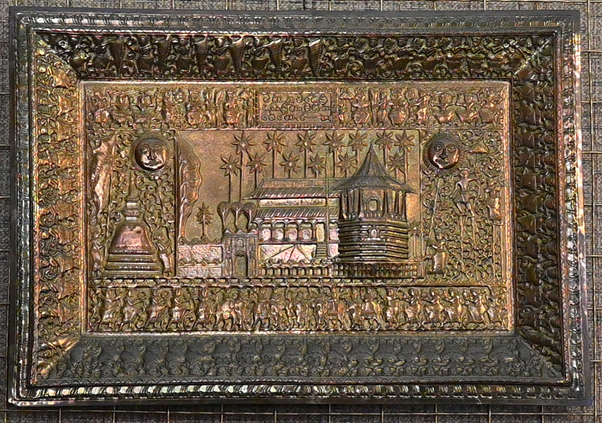
The brass tray depicts the Temple of the Tooth in Kandy. The temple houses the sacred relic of a tooth of the Buddha. It was believed that whoever held the tooth would rule over Sri Lanka
Image Source: Fiona Lawry
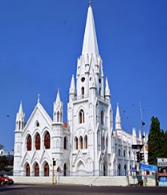
The San Thome Cathedral dates to 1523, when the Portuguese built it over the Tomb of St. Thomas, one of the disciples, believed to have visited India in AD52. In 1896 the British remodelled the church in neo-Gothic style.
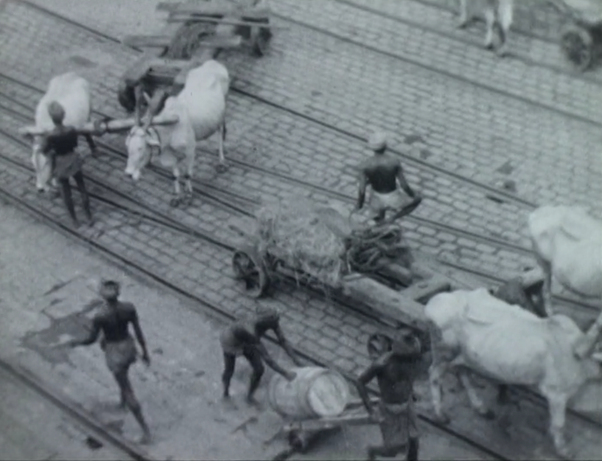
They filmed the wharf workers on the Madras (Chennai) from the vantage point of the deck.
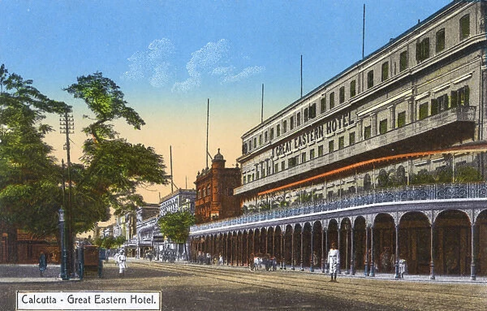
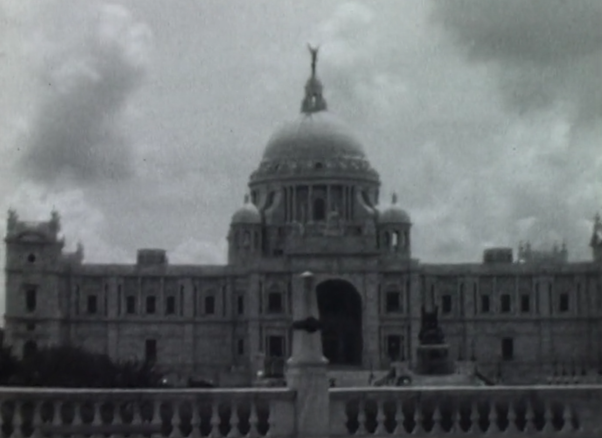
The Victoria memorial, the largest memorial to any monarch in the world, was built 1906-21 to commemorate Queen Victoria who was Empress of India, (1876-1901). This grandiose building was symbolic of British power in India.
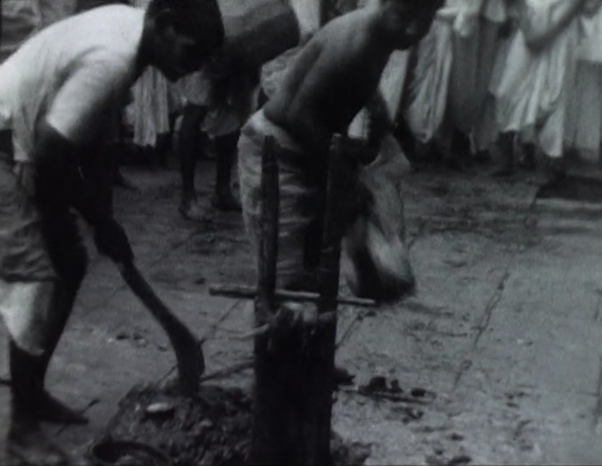
The Kalighat temple, dedicated to the Goddess Kali is an important site of Hindu pilgrimage. Situated in a notorious neighbourhood and with multiple daily sacrifices of goats, it was a place of infamy, backwardness and superstition to white colonialists, Christian missionaries and also to Hindu reformers.
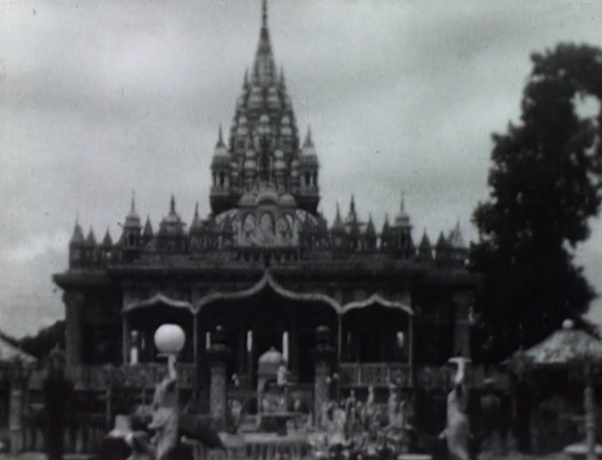
Parshwanath Jain Temple, Kolkata (Calcutta)
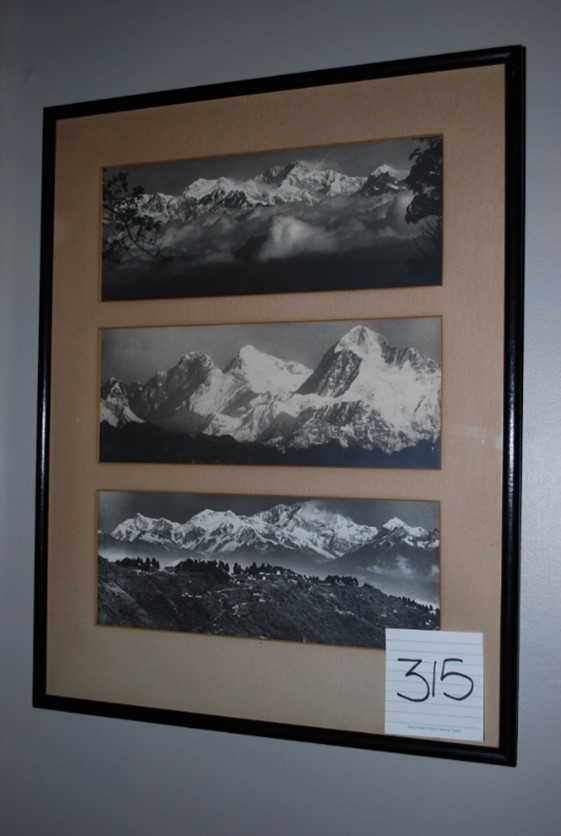
Photograph of views of Himalayas, Kitchen Corridor, Martindale Hall. Photograph is likely taken by J. Burlington Smith, famed photographer of the Himalayas.
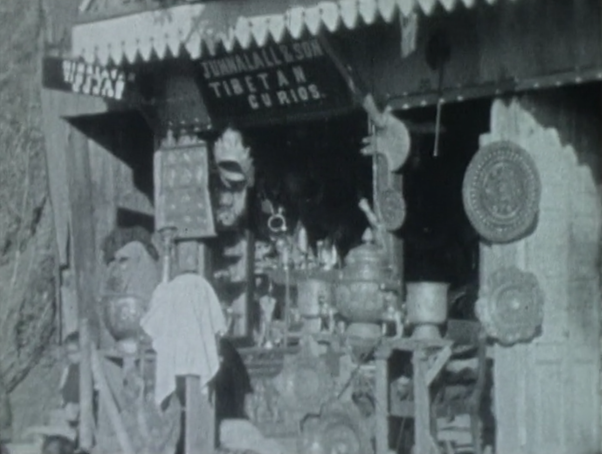
It is likely that in this shop the Mortlock party purchased the Tibetan prayer wheels MH112 and MH113, currently in the smoking room
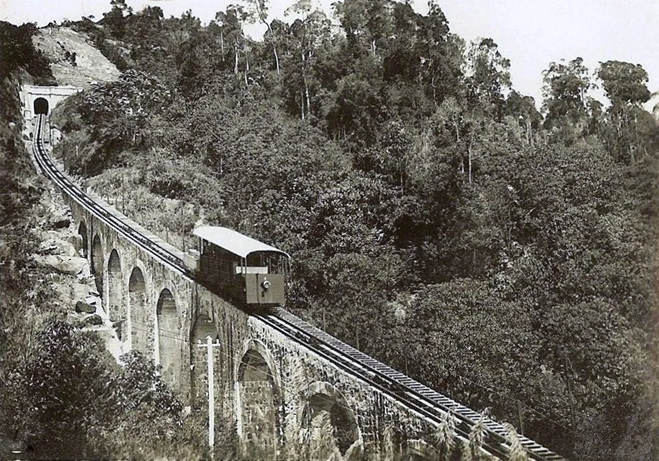
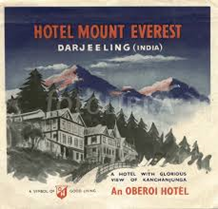
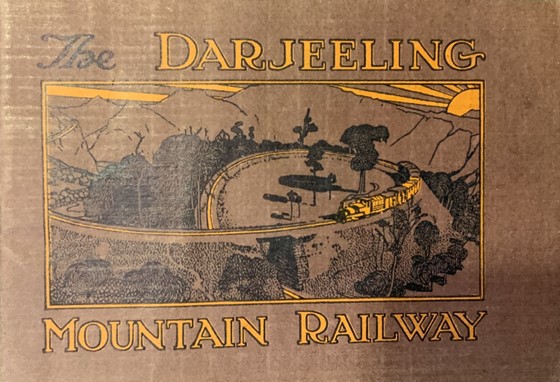
Cover of travel brochure, The Darjeeling Himalayan Mountain Railway by J. Burlington Smith. Located in sideboard, Billiard Room, Martindale Hall.
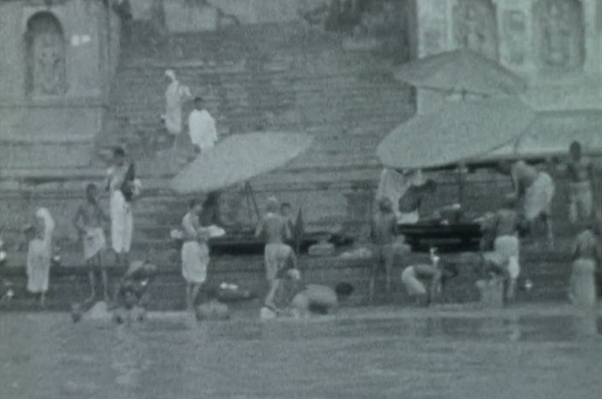
People bathing in the sacred Ganges River, Varanasi, (Benares).
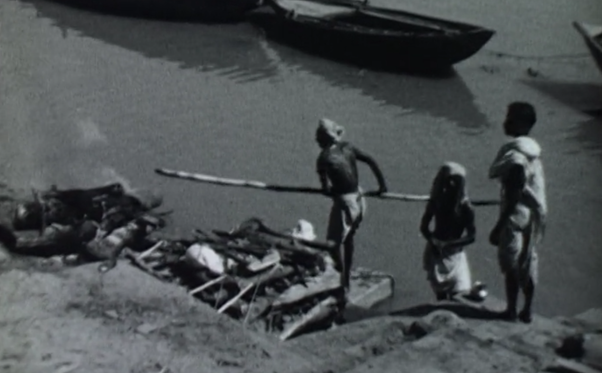
A cremation on the banks of the Ganges River, Varanasi, (Benares).
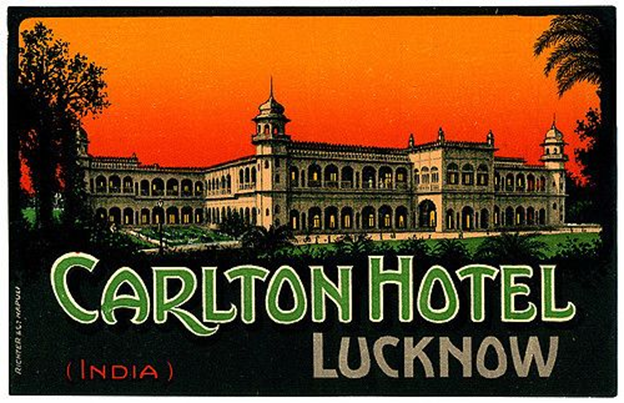
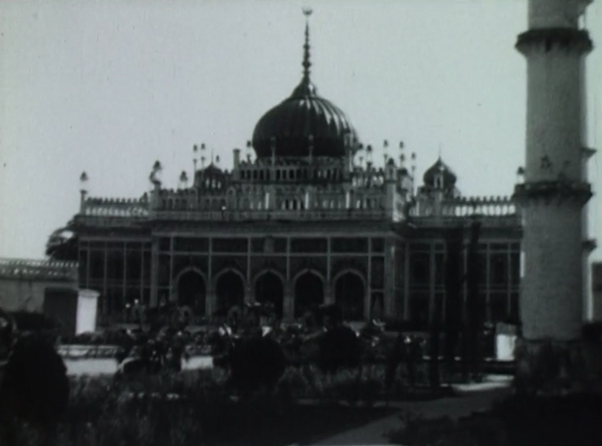
One of the many imambaras (congregation halls for mourning) in this gracious Mughal city. Built in 1838, it is often referred to as the Palace of Lights.
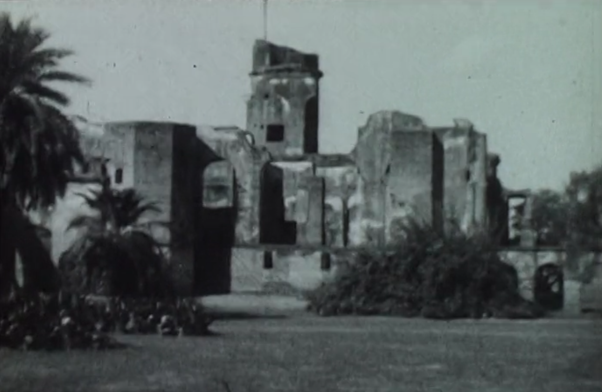
The British Residency in Lucknow was besieged by rebellious Indian soldiers of the East India Company (EIC) in 1857 and only relieved by loyal troops in March 1858. The ruined building was a significant site to the British and to the Mortlock party.
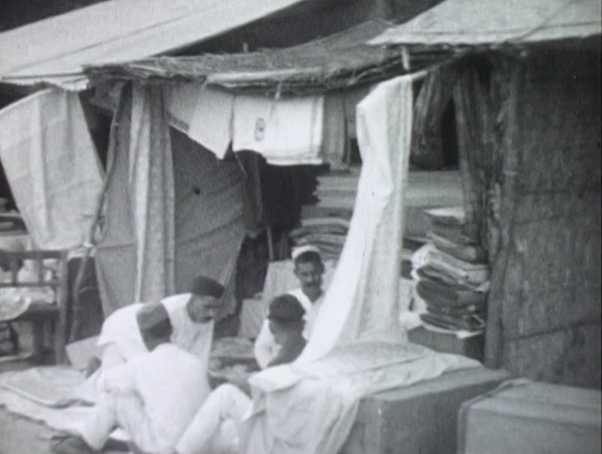
They filmed a number of scenes in the Lucknow market, including a staged fight between a mongoose and snake. Here is an image of a shop in the cloth market in Lucknow.
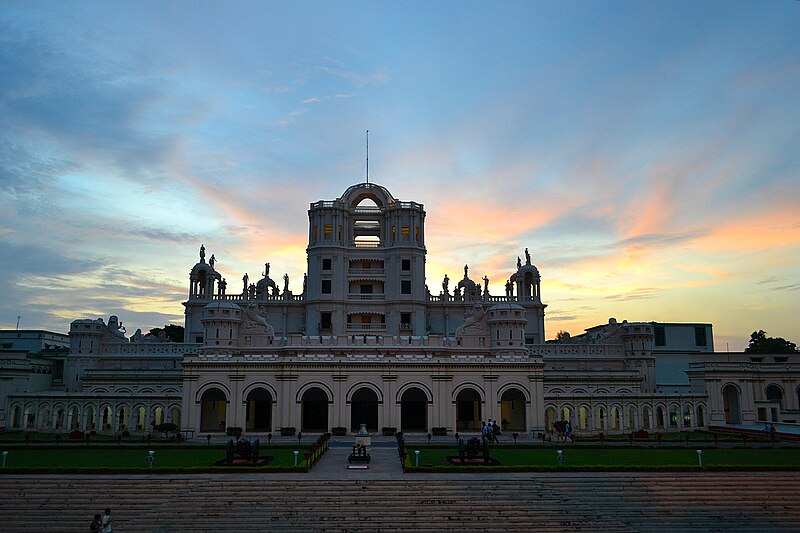
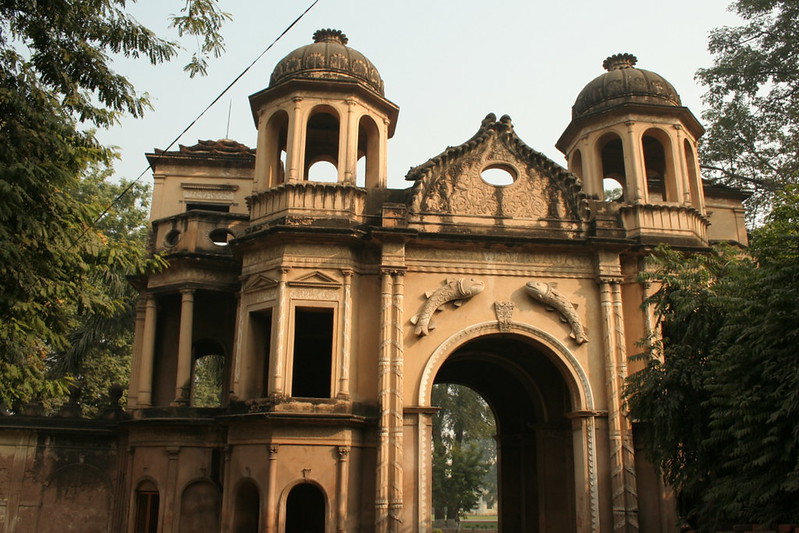
La Martiniere College, Lucknow was originally built as Constantia Palace by Major-General Claude Martin, who served the army of the French East India Company and subsequently for the British East India Company. Martin made a fortune in India and was an adviser to the Nawab of Lucknow. Upon his death in 1800, Martin bequeathed the palace as a school for Indian children.
https://upload.wikimedia.org/wikipedia/commons/8/8f/La_Martiniere_87.jpg
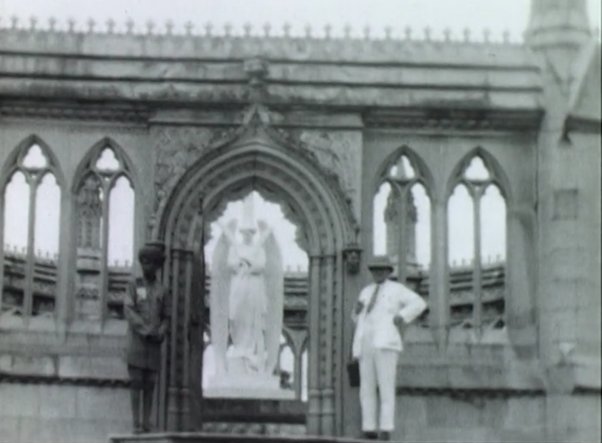
The Angel of Mercy and the screen which surrounded was erected by the British in as a memorial to the women and children killed at Cawnpore (Kanpur) by the forces of Nana Sahib, during the uprising in 1857.
Stephen Heathorn notes this was ‘a political statement about the British imperial presence.’
A hallowed shrine for the British, no Indian was ever allowed within the gothic screen.’ It was said that ‘no European traveller passes the neighborhood of Cawnpore without making a pilgrimage to the solemn spot from which he looks back into that terrible past.’
Stephen Heathorn, ‘Angel of Empire: The Cawnpore Memorial Well as a British Site of Imperial Remembrance’, Journal of Colonialism and Colonial History, 8 (3) 2007.
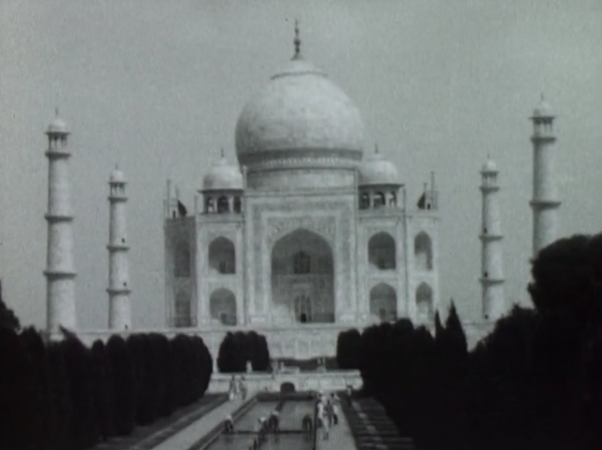
The Taj Mahal, Agra
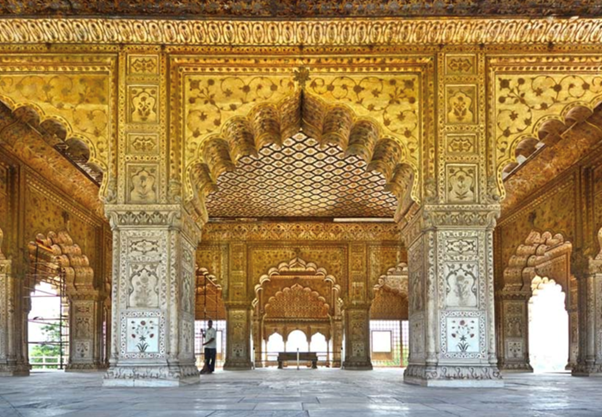
Akbar, the great Mughal emperor, 1542-1605, began building the magnificent Agra fort in 1565, combining both Hindu and Muslim architectural features.
www.swantour.com/blogs/information-on-agra-fort
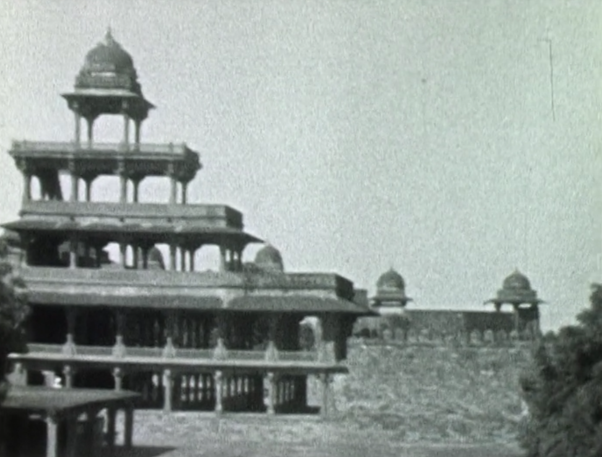
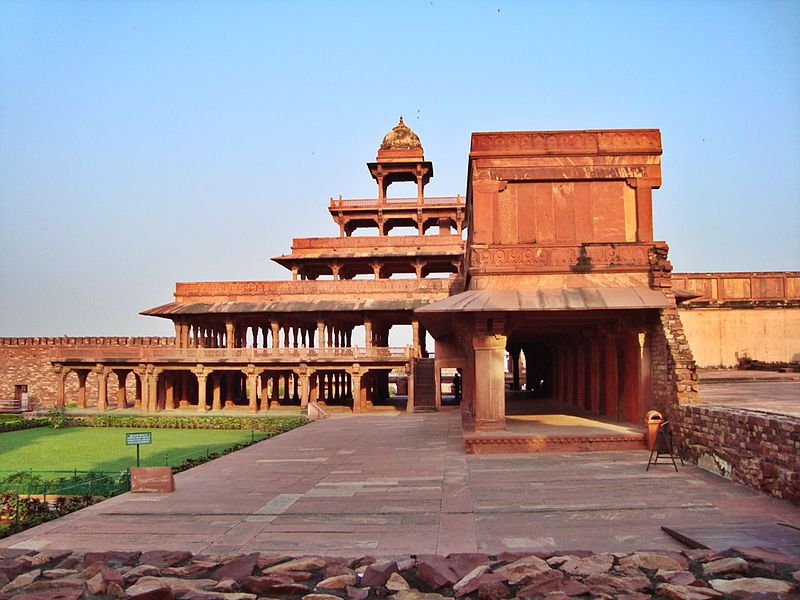
Fatephur Sikri was founded in 1571 by the Emperor Akbar as the capital of the Mughal Empire. Abandoned by 1610, the numerous imposing ruins are still an important tourist attraction.
https://upload.wikimedia.org/wikipedia/commons/2/2d/Fatehpur_Sikri_Fort_200.jpg
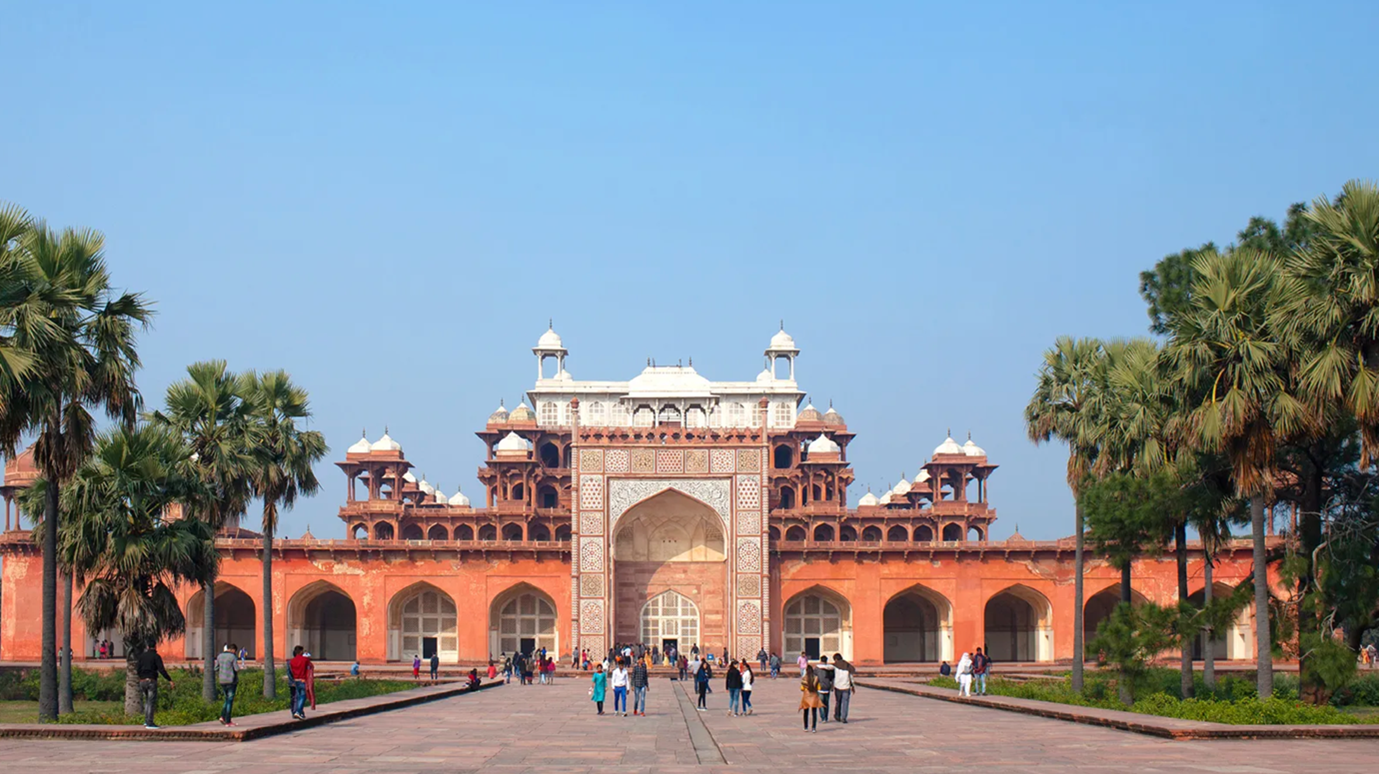
Akbar’s tomb, at Sikandra, built 1605-13, is a notable example of Mughal architecture.
www.britannica.com/topic/Akbars-Mausoleum
https://martindalestories.org/smoking-room-object-stories/taj-mahal-lamp/
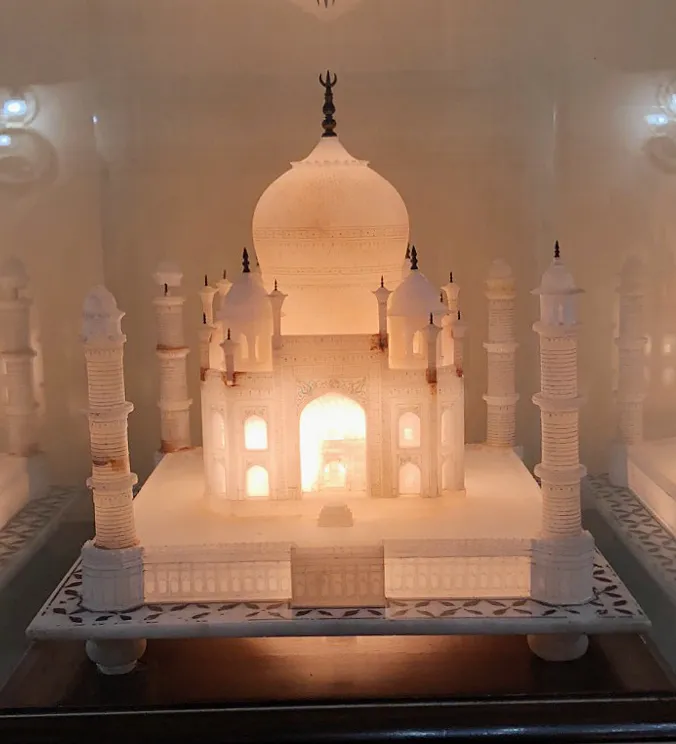
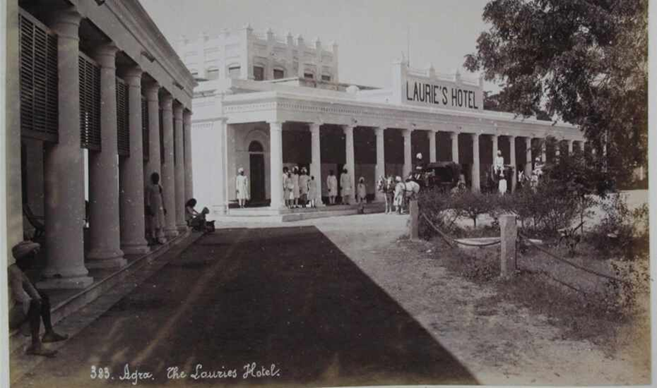
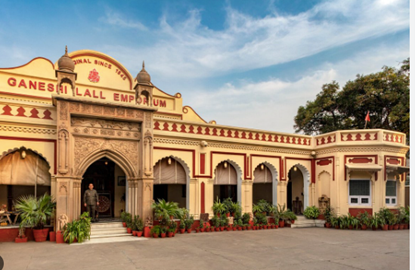
After visiting a number of historic sites in the morning, the Mortlock party went shopping and most probably bought the Taj Mahal model and photograph here, perhaps at Ganeshi Lall’s emporium.
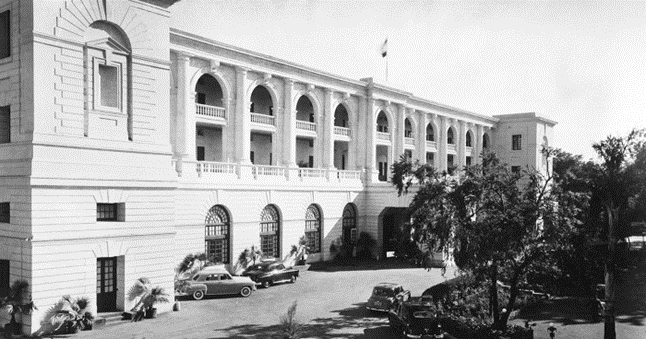
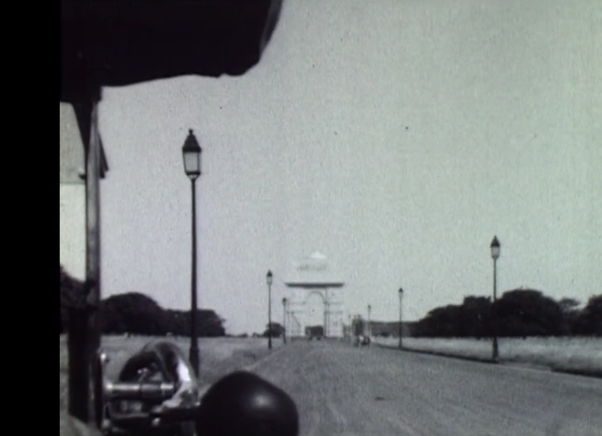
This interesting shot taken from their car, show India Gate, (All India War Memorial arch). This was built on Janpath to remember the British Indian forces who died in wars 1914-1919. It was designed by Sir Edward Luytens, who designed New Delhi.
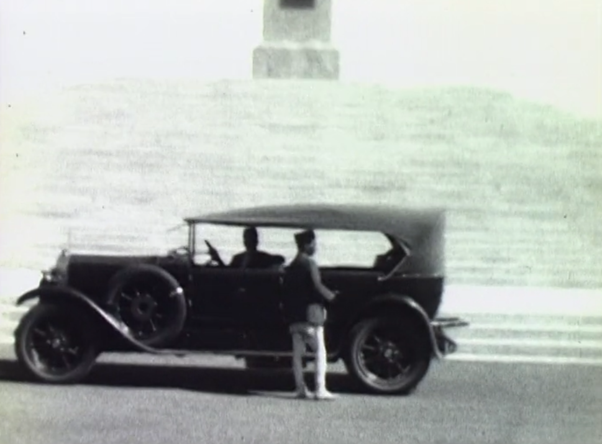
This shot from the film shows their car with driver and guide waiting for the Mortlock party while they visited the sites of Delhi.


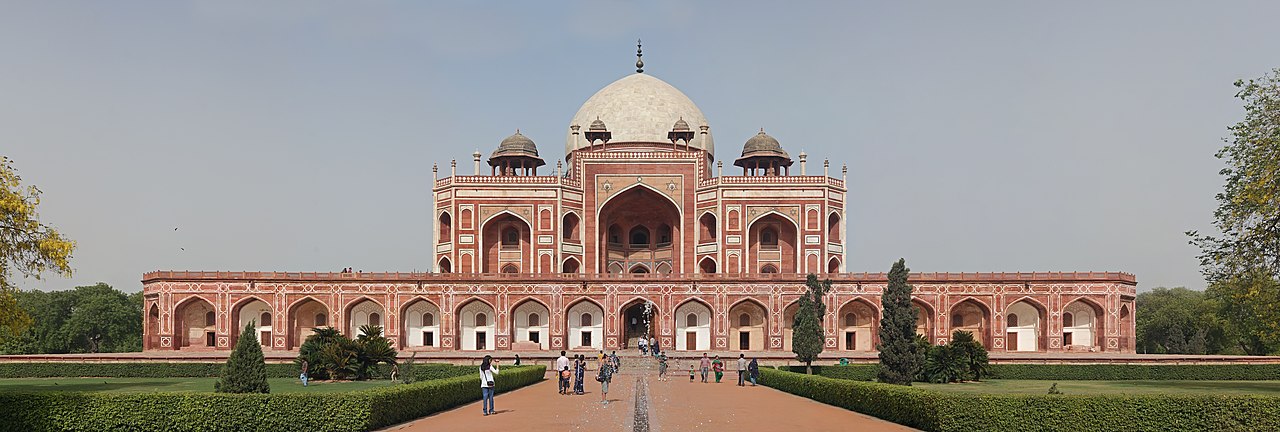
This tomb, built in 1570, was the first garden-tomb on the Indian subcontinent. It inspired several major architectural innovations, culminating in the construction of the Taj Mahal.
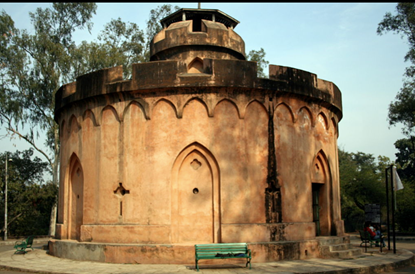
All these sites were connected to the uprising of 1857 and were memorialized by the British. At Flagstaff Tower, British women and children took shelter after rebellious sepoys (Indian soldiers) of the East India Company attacked Delhi. The British forces fought back and were victorious on June 7th 1857. The Mortlock party would have visited the cemetery there and the grave of Brigadier John Nicholson, who died in the battle. He was a veteran of British military campaigns of expansion into Afghanistan and the Punjab. In Victorian times he was seen as a great hero, ‘The Lion of Delhi’ and his life was referenced in books such as Rudyard Kipling’s Kim and other books which Jack and Ranson had most probably read. More recently he has been seen as authoritarian, brutal and racist. William Dalrymple described him as ‘the great imperial psychopath.’ Dalrymple, William (2009), The Last Mughal, London, Bloomsbury, 307.
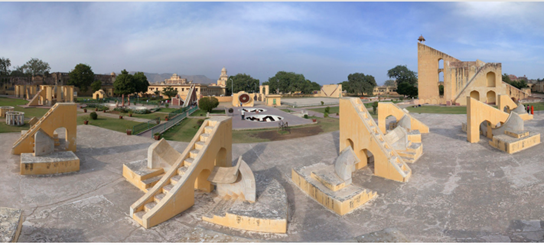
Jai Singh’s observatory (Jantar Mahal) comprises 19 astronomical instruments built by the Rajput king, Sawai Jai Singh in early 18th century. It contains the world’s largest sundial.
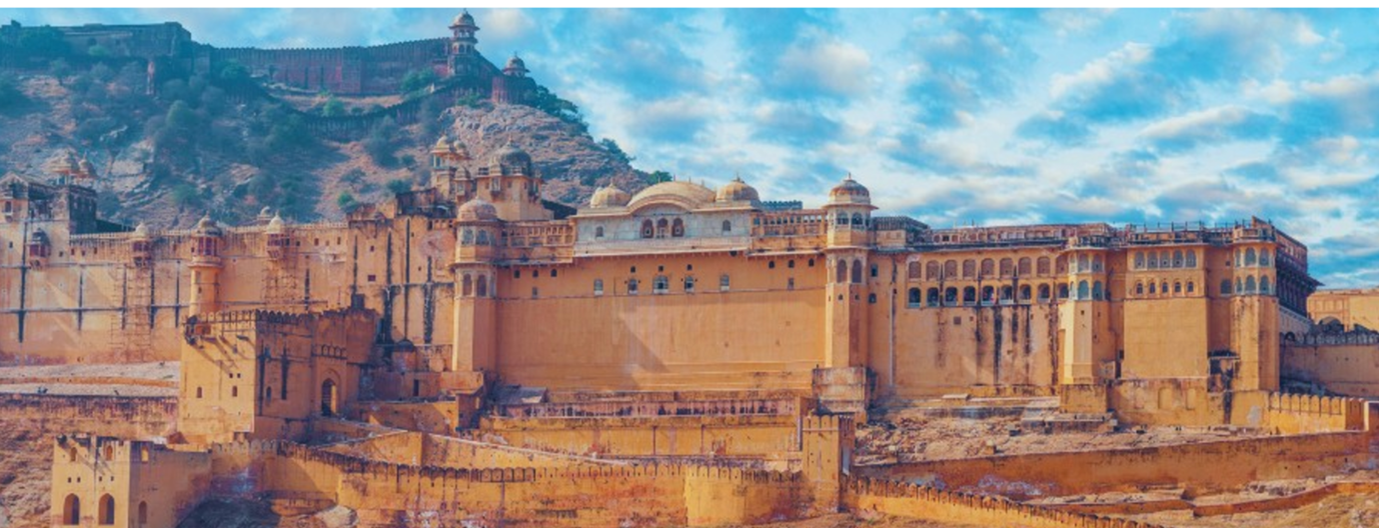
The Amber Palace, near Jaipur was built in early 17th century, it was the local capital until 1727 when nearby Jaipur replaced it.
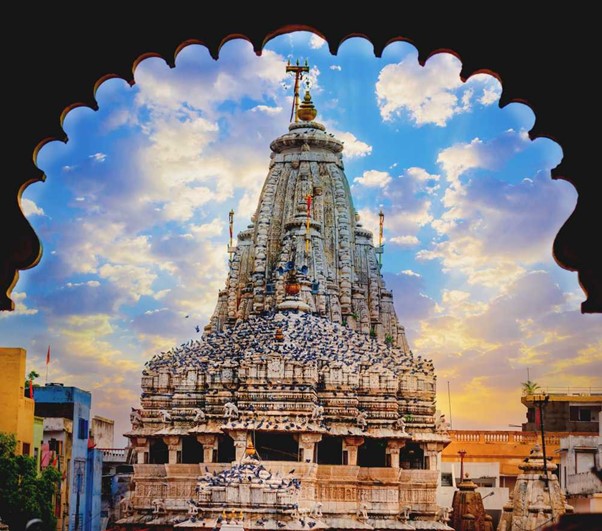
This striking temple is dedicated to Lord Vishnu. The main shrine houses the striking four-armed statue of Lord Vishnu, which is carved out of a single piece of black stone. Four smaller shrines around it are dedicated to Lord Ganesha, the Sun God, Goddess Shakti and Lord Shiva.
https://www.holidify.com/places/udaipur/jagdish-temple-sightseeing-3842.html
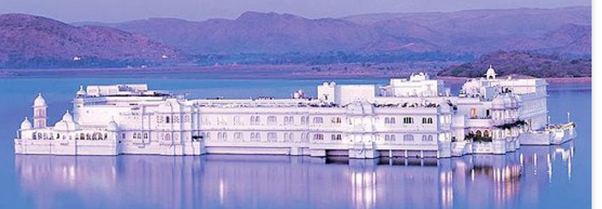
This marble palace, built on an island in Lake Pichola, Udaipur was built in circa 1743–1746 by Maharana Jagat Singh II, as a summer residence for the Mewar Royal Family.
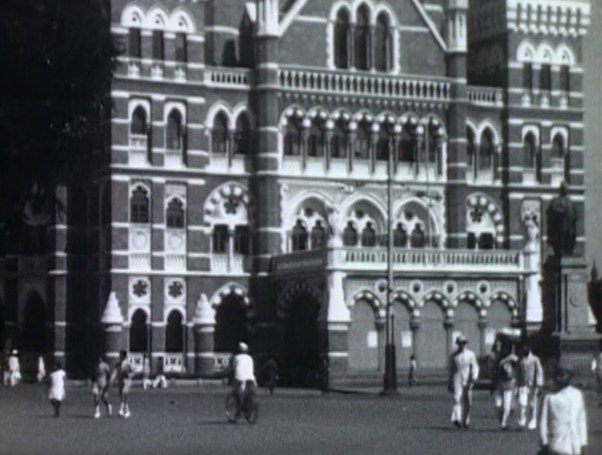
Taj Mahal Hotel in Mumbai (Bombay) is a luxury hotel overlooking the harbour. It opened in 1903 and was built by Jamsetji Tata, the leading Indian industrialist and philanthropist. It was the first hotel in India to have electricity, American fans, German elevators, Turkish baths and English butlers.


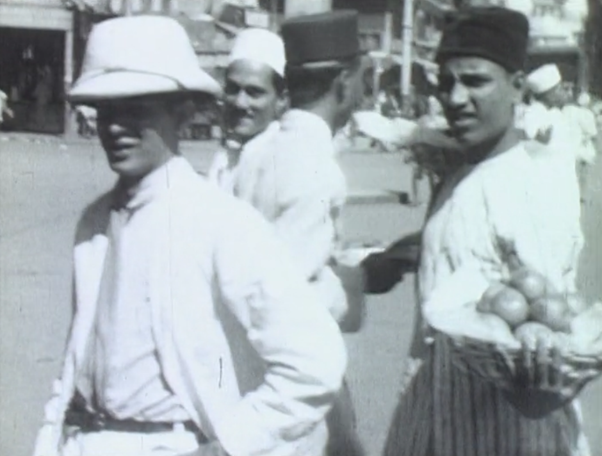
Ranson Mortlock with a fruit seller in a Mumbai street.
This morning they visited a number of markets and bazaars and presumably made purchases such as the Hindu devotional posters. They saw major British institutions such as the grand Elphinstone College, founded in the 1830s, to teach the English language and the Arts Science and Literature of Europe to young Indian men. They also visited The Bombay Gymkhana, an exclusive British-only club, surrounded by a cricket field, tennis courts and various other sporting facilities for members. In the afternoon their visits included the Towers Of Silence, where the Parsi people left the bodies of their deceased, to be eaten by vultures.

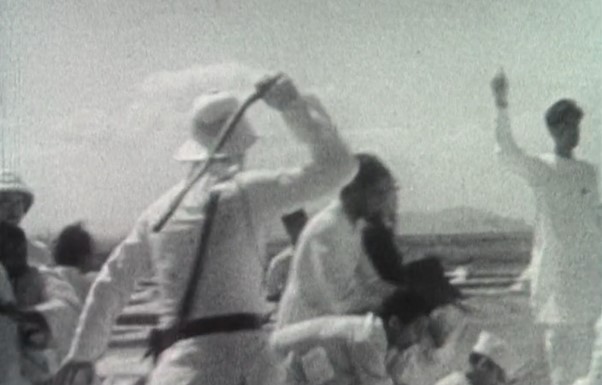
Between April and June 1930 Indian nationalist activists protesting the British government tax on salt raided the salt depots in Wadala, Mumbai. There were a few days when large crowds took the salt. June 1st was the biggest raid and up to 10,000 Satyagrahis (people who practised non-violent resistance) took part in the raid. The crowd broke through the police cordon, but were beaten back by police reinforcements. The police beat them with lathis. A number were arrested, 105 were injured and 40 were in hospital.
‘The Wadala salt raids were an important landmark in the Civil Disobedience Movement in Maharashtra.’
Ankush L. Belvatkar and S. P. Shinde, ‘Wadala Salt Satyagraha-1930’, Proceedings of the Indian History Congress, 73 (2012) 615-618.







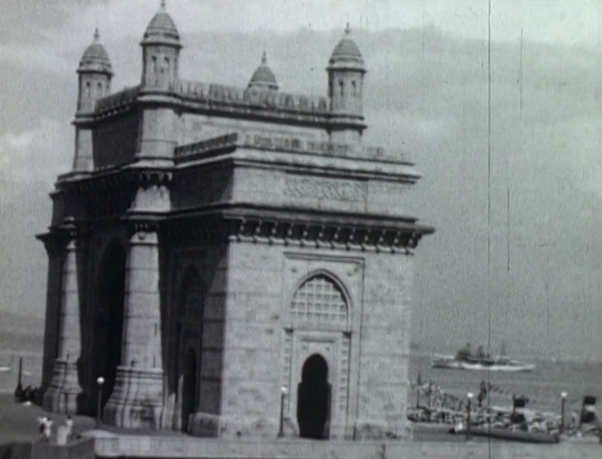
The Mortlock party were clearly impressed by the Gateway of India, a monumental arch built of the Mumbai waterfront in 1924. It commemorated the landing there of King George V and Queen Mary in December 1911 for their crowning as Emperor and Empress of India at the grand Delhi Durbar of 1911. The arch was a landmark on the harbour and would have provided the Mortlock party with their last glimpse of India as they departed on the S.S.Narkunda.
Ankush L. Belvatkar and S. P. Shinde, ‘Wadala Salt Satyagraha-1930’, Proceedings of the Indian History Congress, 73 (2012) 615-618.
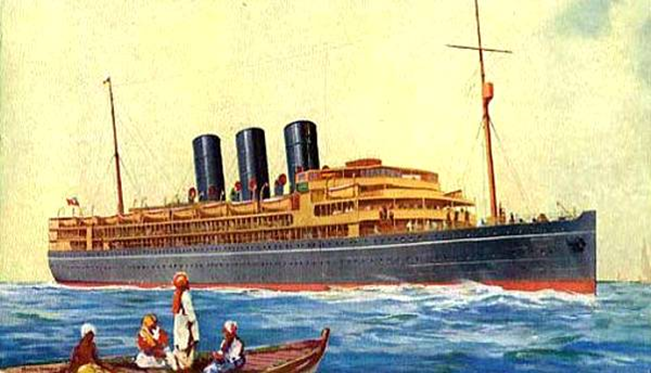
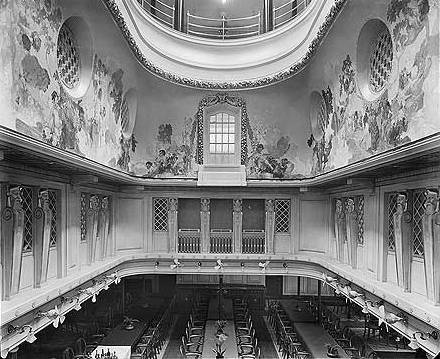
The ‘S.S. Narkunda’ had been commissioned by P & O, and made its maiden voyage in March 1920. It was the largest P.& O. boat at the time. It was very luxurious. The grand First Class dining room on the S.S. Narkunda extended up 4 storeys and a different wine list was served at dinner each night. This vessel had two swimming pools, one indoors and the other on the deck. On board, Jack and Ranson met their aunt, Mrs. Adelaide Hawker of Bungaree station, Clare who was returning from Europe.
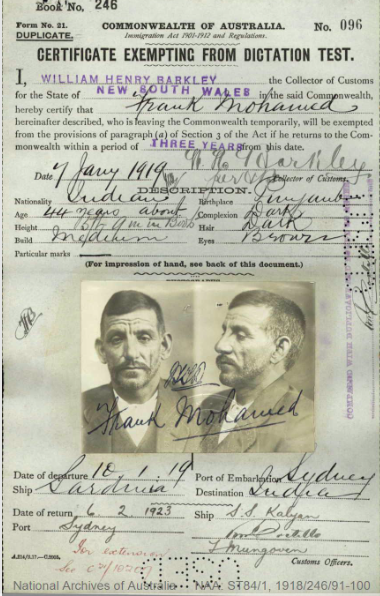
Mortlock said he was happy to be back among white people. For those passengers of Indian, Chinese etc backgrounds, who had been long resident in Australia, arrival at an Australian port meant having to go through the humiliating process of being mustered on deck with other ‘coloured’ passengers to have their identities checked. Thus Australian residents on the Narkunda, like Mahomed Din and Frank Mohamed were checked against their Certificates Exempting the Dictation Test (CEDT).
Frank Mahomed was a hawker and storekeeper at Boomi in the Morree district (NSW). He had been in Australia, off and on, since 1894, but always had to go through numerous checks.
JT Mortlock Diary 1930, Tumby Bay National Trust; CEDT Frank Mohamed, NAA ST84/1 1918/246'91-100; 'Back from the East' Observer, (Adelaide) 30 October 1930, p. 56.
JT Mortlock Diary 1930, Tumby Bay National Trust


